What Is PROTEC Floating Manipulative Therapy? Kenosha's Unique Spinal Decompression
PROTEC Floating Manipulative Therapy: Seated Spinal Decompression at Murphy Chiropractic
If you’ve been told you need surgery for a herniated disc, spinal stenosis, or degenerative disc disease, you may have more options than you realize. At Murphy Chiropractic in Kenosha, WI, Dr. John Murphy offers PROTEC Floating Manipulative Therapy — a seated spinal decompression technique that’s unlike anything else available in the area. Here’s what it is, how it works, and who it helps.
What Is PROTEC Therapy?
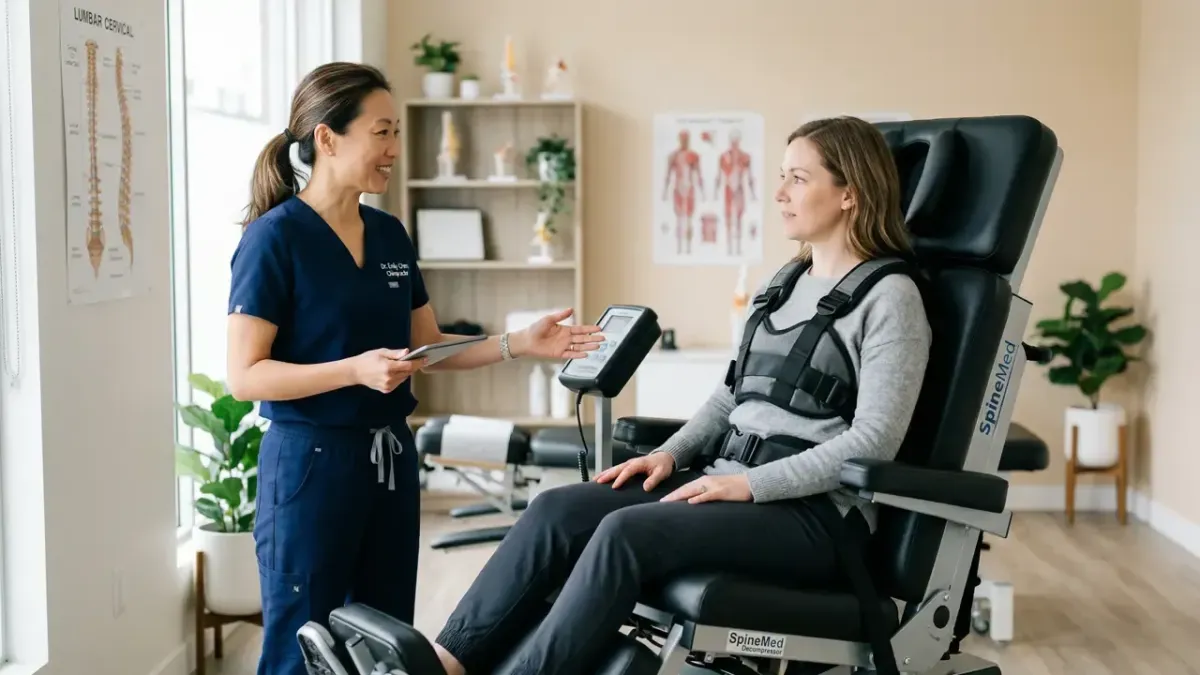
PROTEC stands for Postural Reduction Of The Entire Column. It’s a form of spinal decompression therapy performed in an upright, seated position rather than lying flat on a traditional traction table. The patient sits in a specially engineered chair that supports the body while applying carefully calibrated decompressive forces to the spine.
The “floating” aspect refers to the way the therapy unloads the spine — gently creating negative pressure within the discs, which encourages herniated or bulging disc material to retract toward its natural position, away from the nerves it’s irritating.
Think of it like this: your disc is like a sponge under pressure. PROTEC therapy releases that pressure, allowing the disc to rehydrate, heal, and stop pressing on your nerves.
How Is PROTEC Different from Traditional Spinal Decompression?
Traditional spinal decompression tables require patients to lie face-down or face-up while traction is applied. For some patients — particularly those with significant nerve compression, obesity, or difficulty lying flat — this is uncomfortable or even impossible.
PROTEC’s seated design offers several advantages:
- More comfortable positioning — Many patients with severe disc pain or stenosis can tolerate seated decompression much better than lying-flat traction.
- Gravity-assisted decompression — The seated, upright position works with natural spinal mechanics rather than against them.
- Targeted segmental treatment — The system allows Dr. Murphy to direct the decompressive force to specific spinal levels that need it most.
- No risk of additional injury — The gentle, controlled application of force makes it safe even for patients with significant disc pathology.
What Conditions Does PROTEC Therapy Treat?
PROTEC Floating Manipulative Therapy is effective for a wide range of spinal conditions. Dr. Murphy uses it most often for:
Herniated Discs
Whether in the lumbar (lower back) or cervical (neck) spine, herniated discs can cause debilitating pain, numbness, and weakness. PROTEC helps reduce the disc bulge and take pressure off the affected nerve root.
Bulging Discs
Similar to herniated discs, bulging discs respond well to the negative intradiscal pressure created by PROTEC therapy.
Spinal Stenosis
Stenosis — narrowing of the spinal canal — can compress nerves and cause leg pain, numbness, and cramping during walking. PROTEC gently opens the spinal canal, relieving that compression.
Degenerative Disc Disease
As discs age and dehydrate, PROTEC therapy can help restore disc height and hydration, reducing the chronic pain and stiffness associated with DDD.
Sciatica
When the sciatic nerve is being compressed by a disc problem, PROTEC decompression is one of the most direct and effective ways to address the root cause.
Facet Joint Syndrome
Facet joints can become irritated and inflamed, especially with degenerative changes. PROTEC unloads these joints, reducing inflammation and pain.
What Does a PROTEC Session Feel Like?
Most patients find PROTEC therapy surprisingly comfortable — even relaxing. Here’s what to expect:
- Setup — You’ll be positioned in the PROTEC chair with a harness system that stabilizes your torso. Dr. Murphy will explain every step.
- Treatment — The chair applies gentle, rhythmic decompressive forces to your spine. Most patients feel a pleasant stretching sensation, not pain. Sessions typically last 15–20 minutes.
- After treatment — Many patients notice immediate relief — reduced pain, less leg numbness, better mobility. This can improve progressively over multiple sessions.
There’s no recovery time. Most patients walk out of the clinic feeling better than when they walked in.
How Many Sessions Do You Need?
The number of PROTEC sessions needed varies depending on your condition, its severity, and how long you’ve had it. In general, Dr. Murphy recommends an initial evaluation followed by a recommended care plan. Most patients see significant improvement within 6–12 sessions.
PROTEC is often used as part of a comprehensive treatment plan that may also include chiropractic adjustments, dry hydrotherapy, and low-level laser therapy — all of which are available at Murphy Chiropractic.
Is PROTEC Right for You?
PROTEC Floating Manipulative Therapy is appropriate for most patients with disc-related spinal problems. It is not recommended for patients with certain conditions such as spinal fractures, active cancer, or severe osteoporosis — but Dr. Murphy will review your health history and imaging to determine if it’s right for you.
If you’ve been living with disc pain, sciatica, or stenosis in Kenosha and haven’t found lasting relief, PROTEC therapy could be the breakthrough you’ve been looking for.
Take the First Step
Murphy Chiropractic has been serving the Kenosha community since 1995. Dr. John Murphy combines over 30 years of clinical experience with advanced therapies like PROTEC to get his patients real, lasting results — without surgery or reliance on pain medication.
Schedule your PROTEC consultation today →
Murphy Chiropractic, S.C. | 3535 30th Ave, Suite 201, Kenosha, WI 53144 | (262) 697-7463
